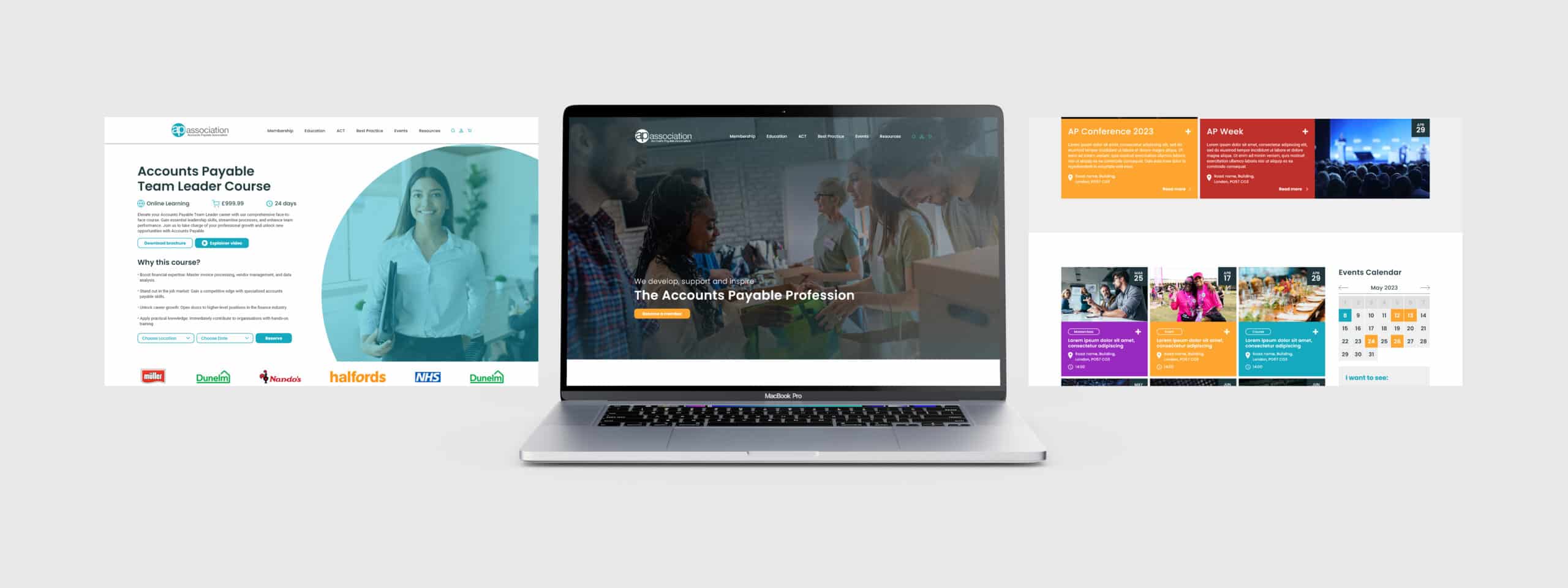

Now is the opportune time to reassess your marketing strategies and categorise them into three buckets: “working well,” “needs some attention,” and “discard.” Your website design may be one aspect you’re contemplating updating, but how do you determine if it’s truly outdated? And what steps should you take next?
Here are some key indicators to consider during this evaluation process:
Mobile Friendliness: Ensuring your website is responsive and mobile-friendly is imperative in today’s digital landscape, especially if your target audience includes consumers. A mobile-friendly design is essential for accommodating users accessing your site from various devices. If your current design lacks responsiveness, it’s time for an upgrade.
Flash Usage: If your website relies on Flash technology, it’s likely outdated. Flash is no longer supported by most handheld devices, potentially alienating a significant portion of your target market. It’s advisable to transition away from Flash-based elements to modern alternatives compatible with current web standards.
Loading Speed: The loading speed of your website is crucial for both user experience and search engine optimization. Older code or excessive elements can lead to slow loading times, resulting in higher bounce rates and decreased search engine rankings. Ensure your site loads quickly to meet user expectations and avoid penalties from search engines like Google.
Content Management: Consider whether you have the ability to create and edit content on your website independently. Dependence on expensive web design agencies for routine maintenance may not be sustainable in the long term. Utilising user-friendly content management systems empowers you to update and manage your content efficiently without requiring technical expertise.
Once you’ve identified that your website design is outdated, the next step involves strategising for its revitalisation.