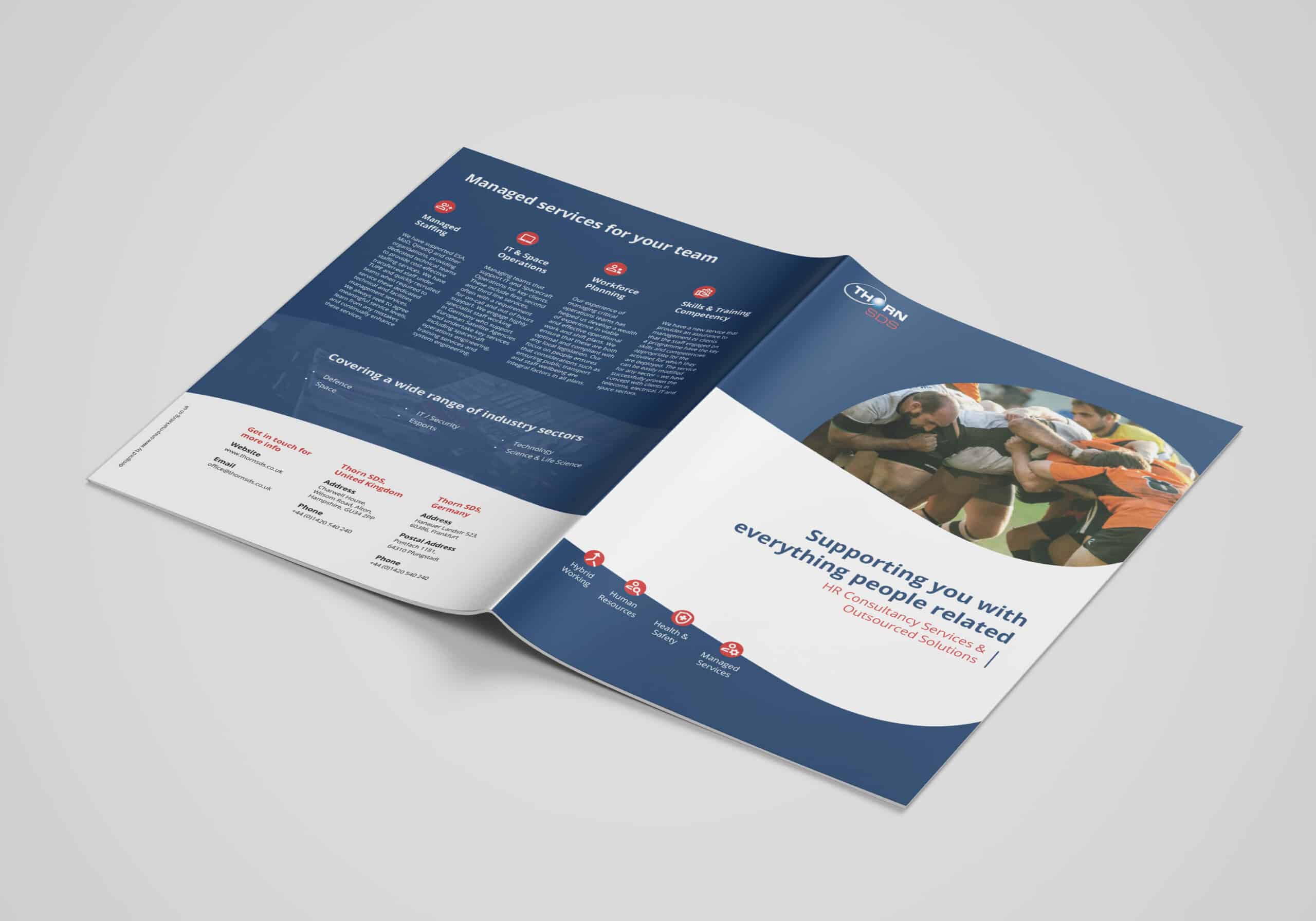

Case Studies and White Papers wield significant influence within the content marketing arsenal and serve as established lead-generation strategies. Despite their efficacy, reluctance or scepticism often hinder their adoption. Many businesses fear divulging trade secrets through these documents, fearing exploitation by customers or competitors. This blog aims to address and alleviate such apprehensions
What’s the difference?
In my view, a White Paper delves deeply into a subject pertinent to a specific segment of your audience, showcasing your substantial expertise. On the other hand, a Case Study illustrates how your offering addressed a particular challenge or requirement for a customer.
In essence, a White Paper demonstrates your ability to “Talk the Talk,” while a Case Study serves as evidence that you can also “Walk the Walk”!
Demonstrate Expertise with White Papers
To ensure your white paper effectively establishes trust and generates leads, it must captivate and inspire action to drive website traffic and pique sales interest.
Just like any online content, it’s crucial to seize the reader’s attention from the start. Hence, the title should be attention-grabbing while succinctly communicating the essence of the white paper’s topic.
White Paper Content – Detailed, Relevant, and Expert
The content should be logically organised around the subject matter, showcasing a comprehensive understanding of the challenges customers encounter, along with potential solutions—potentially including alternatives beyond your own. It’s essential for the content to offer genuine assistance to the customer, aiming to spark increased interest in your solution—undoubtedly the optimal choice!
Use White Papers to Boost your Marketing
Next, leverage the white paper in your outbound marketing efforts. Incorporate it into your email marketing campaigns to bolster your sales pitch and integrate it into your social media strategy. Ensure it’s linked to your blog and relevant sections of your website.
For your sales team, provide printed copies to enhance their sales presentations.
The goal of marketing with white papers is to pique interest among your prospects, compelling them to seek further information about your offerings.
Build trust with Case Studies
In a meticulously crafted case study, the primary aim is to narrate a compelling story, ideally a success story, detailing how a customer utilized your product or service to enhance their life. It’s even more impactful if the case study addresses a specific challenge faced by a group of potential customers.
Despite the common belief among businesses that case studies are dull, they are far from uninteresting to prospects. Surprisingly, research indicates that case studies rank as the third-most effective B2B content marketing tactic. What may seem mundane to us as experts in our respective fields, due to our daily immersion, holds significant value to prospects and plays a crucial role in converting them into paying customers.
Summarise ‘Take-aways’ at the Beginning
Commence each case study with a synopsis of the issue and a concise overview of the resolution, often presented through bulleted ‘take-away’ points.
Ensure that the case study unfolds from the customer’s viewpoint, highlighting the challenges they encountered and the effective solutions that enhanced their situation. Authenticity is key, and incorporating testimonials or quotes adds further credibility.
Utilize visuals such as photos or even videos to enhance the appeal and engagement of your case studies. Additionally, relevant comparison or performance charts can offer supplementary evidence of the outcomes and advantages of your solution. Remember to maintain a broader audience perspective, considering the market segment you aim to capture.
Subsequently, employ the same marketing strategies as outlined for promoting white papers to maximize lead generation effectiveness with your case studies.