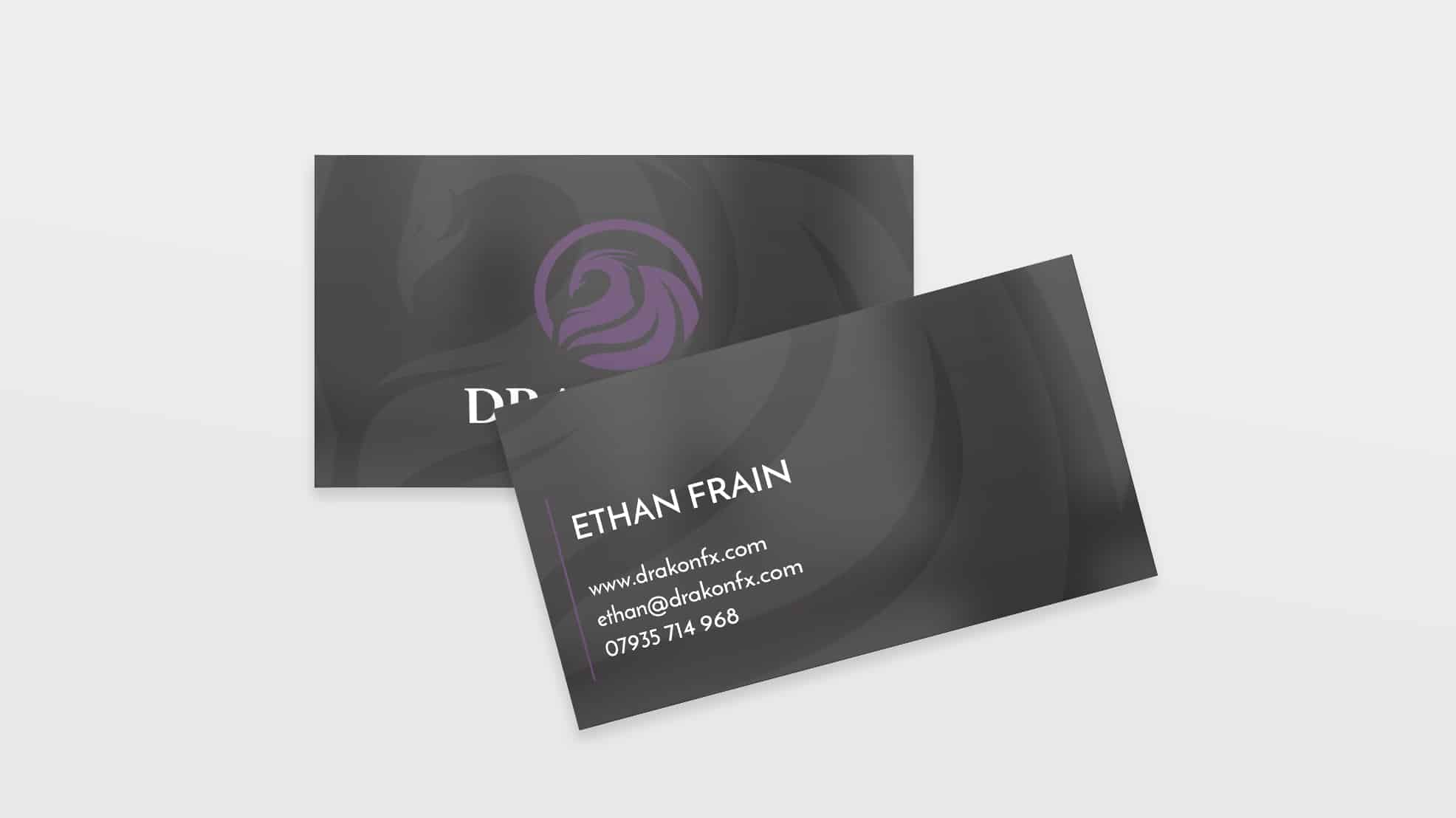

In the fast-paced world of modern marketing, we often become fixated on new tools like content marketing, website design, SEO, and social media marketing, inadvertently overlooking the enduring power of traditional marketing materials such as print design. Among these, the humble business card stands as a cornerstone—its significance cannot be overstated.
Consider this: at business events, client meetings, or chance encounters with potential collaborators, how will these vital connections reach out to you? Business cards serve as indispensable tools for promoting oneself in the physical realm, bridging the gap to the online sphere.
As the primary piece of collateral containing your contact information, your business card warrants the same attention to detail as designing a website. It should function as a miniature portfolio, showcasing your skills and establishing your brand identity.
Typically sized at 85mm x 55mm, business cards come in both vertical and landscape orientations. While the landscape layout is traditional, vertical designs are gaining popularity.
Opting for the standard size offers several advantages, including cost-effectiveness and universal recognition. It fits snugly into standard business card holders and is instantly identifiable—a crucial aspect when engaging with international clients.
However, with modern printing capabilities, the possibilities are virtually limitless. Printers can accommodate custom shapes and sizes, allowing for more impactful and memorable designs. Whether you choose unconventional shapes, rounded corners for a softer aesthetic, or a custom shape inspired by your logo or brand motif, the aim is to leave a lasting impression.
Alternatively, folded cards provide additional space to articulate your business proposition comprehensively.
When it comes to materials and printing processes, careful consideration is essential. Thicker cardstock conveys quality but comes at a higher cost. While digital printing offers affordability for small print runs, lithographic printing boasts superior quality, enhancing brand perception.
In essence, investing in well-designed business cards crafted with premium materials and printing techniques elevates your brand image and leaves a lasting impression on recipients.
Consider the colour of your card before printing—while most business cards are printed on cream or white stock, you have the flexibility to choose any colour. Consult your designer for options that align with the image you seek for your business.
Texture is another crucial aspect to consider. Decide whether you prefer a glossy finish (which limits writing space on the back), a smooth surface, or a rough texture. You may opt for spot varnish to accentuate specific motifs or incorporate materials such as plastic or wood—materials that reflect your business ethos or products.
When it comes to colour, carefully evaluate your options. Whether you choose one colour, standard four colours, or additional spot colours, prioritize effective communication over excessive use of colour.
Your business card should seamlessly integrate with your overall branding strategy. Ensure that the design can be scaled across various marketing collateral, including websites and newsletters, to maintain a consistent brand identity—a critical factor for maximum impact.
Be as imaginative with your business card design as you would be with your website design.
What information should you include?
The primary purpose of a business card is to provide clients and prospects with key contact details. Hence, the information you include is crucial for its effectiveness.
While many individuals want to cram every conceivable piece of information onto their business cards, the limited format necessitates a less-is-more approach.
The information you choose to include depends on your graphic design and preferred mode of client contact. For instance, your card might feature only your website address if it matches your name.
Typically, your card should include your name, company name, job title, and basic contact information—phone number (avoid using just your mobile number for a more professional appearance), email address, and website URL. If applicable, consider adding your office address for clients who may visit.
Additionally, if you’re active on social media, include relevant handles or links, along with any professional certifications or memberships.
Remember, the humble business card speaks volumes about your business—take the time to ensure it accurately reflects your brand.