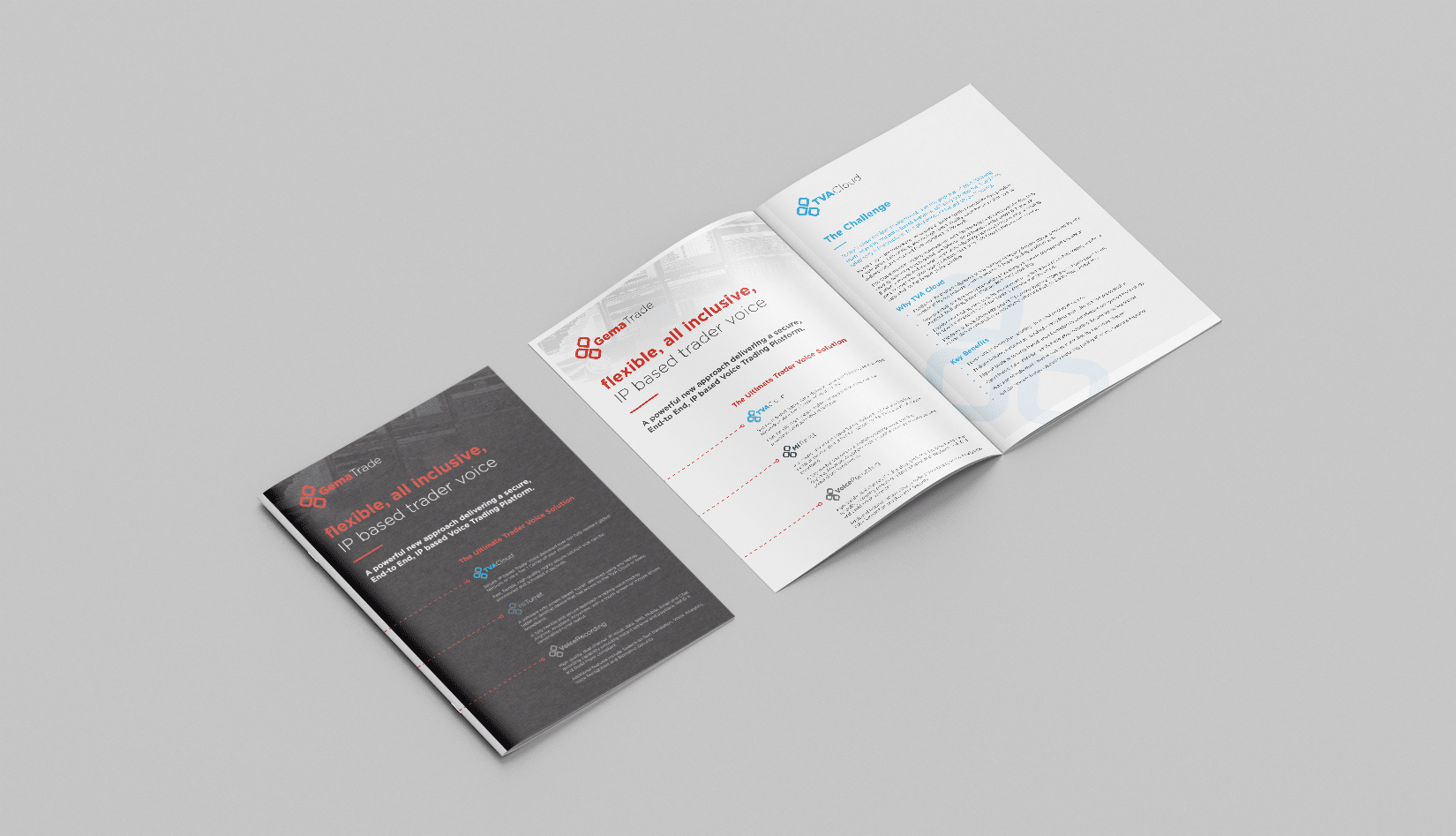

Creative professionals, such as website designers, are driven by a singular goal: to provide the most innovative creative solutions for your marketing endeavours. Drawing from years of experience and expertise in various design and marketing techniques, you can rely on them to offer the right creative input for your project. But how can you ensure you get the most out of your investment?
The key lies in producing a comprehensive brief—a step that your graphic design agency will greatly appreciate.
Consider this scenario: you require a new leaflet to distribute to customers. What should be your next course of action?
While many clients expect marketing experts to devise creative solutions, the reality often entails a lack of clarity regarding the project’s objectives from the outset. In such cases, the burden falls on the graphic design agency to fill in the gaps and make assumptions, which can lead to misunderstandings and inefficiencies. To avoid this, you need a well-defined Marketing Brief.
Here are ten essential tips on what to include in your marketing brief to maximize the effectiveness of your collaboration with the agency:
Describe Your Business Concisely:
Define your business’s purpose, the products or services you offer, and the scale of your company. Use a statement like: “Many [target consumers] need [solution to a problem]. The reason for this is [consumer pain]. Our [core product] has [key features], and because it can [key benefit], it is able to [address consumer pain].”
Objectives:
Clearly outline the goals you aim to achieve through the campaign, such as generating 50 requests for quotes.
Target Audience:
Identify the demographic or segment of consumers the leaflet is intended for. Characterize a typical customer, including demographic details, interests, behaviours, and media consumption habits.
By incorporating these elements into your marketing brief, you provide your agency with the necessary insights to deliver a creative solution that effectively meets your business objectives and resonates with your target audience.
Key Communication Point: Identify the central message you want your target audience to grasp upon encountering your marketing communication. This could stem from a key benefit, often derived from the positioning statement—an exercise of paramount importance.
Supporting Evidence: Substantiate any claims with evidence of the benefits your offer provides—whether it’s cost savings, status enhancement, or other advantages. Testimonials from satisfied customers can also bolster credibility.
The tone of Voice: Define the tone of your communication—whether it should be stylish, funky, authoritative, or empathetic. This sets the mood and personality of your brand.
Selection of Images: Specify any essential visuals, such as product images and their presentation style—whether they should feature people, be set in a room context, or stand-alone.
Brand Guidelines: Provide guidelines for your brand identity, including logo usage, placement, and colour specifications (Pantone references). Refer to our blog on Brand Guidelines for further insights.
Additional Requirements: Document any mandatory information that must be included in the marketing piece, such as a business address, phone number, website URL (consider a unique landing page for tracking purposes), and legal information.
By furnishing your agency with a comprehensive checklist, you enable them to produce impactful work aligned with your business objectives. Additionally, expect them to present alternative executions for your consideration.
Utilise the expertise of a reputable agency to deliver creative solutions tailored to your needs. However, ensure they have the necessary guidance to create a lasting impression on your target audience by preparing adequately beforehand.
Always Expect More