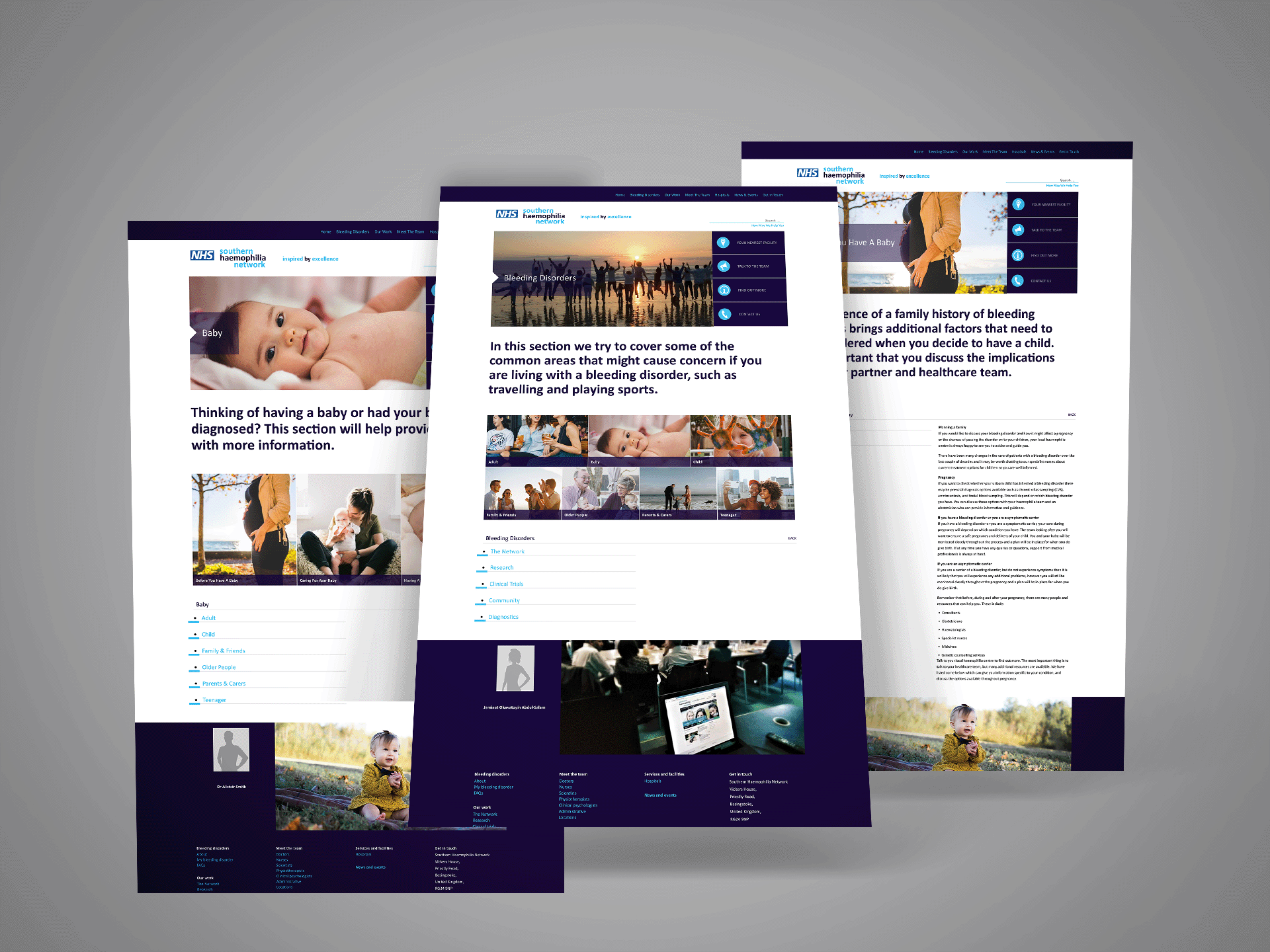

Understanding Graphic Design and Digital Design
Graphic Design involves creating visual communications to convey specific messages to targeted audiences for defined purposes. It encompasses stationery, logo and branding, as well as EXPO design, focusing on static visual elements.
Digital Design, on the other hand, involves dynamic elements such as animation, interactive web pages, and 2D or 3D modelling. It encompasses images and elements intended for display on various screens, including computer, phone, or dashboard interfaces. Examples include websites, apps, social media content, and interactive dashboards.
UX vs. UI: Which Comes First?
In the production creation process, UX (User Experience) design precedes UI (User Interface) design. UX focuses on interaction design, wireframes, prototypes, information architecture, user research, and scenario development. It lays the groundwork for the user’s journey, establishing the basic structure for effective interaction.
UI, on the other hand, involves visual design elements such as colours, graphics, layouts, and typography. It enhances the aesthetics of the interface, shaping what users see, hear, and feel. While UX emphasizes research and understanding consumer needs, UI focuses on creating visually appealing and user-friendly interfaces.
Understanding UI and UX: Key Differences
The User Interface (UI) serves as a component of User Experience (UX) design, but its scope extends beyond mere appearance. UI focuses on guiding users smoothly from one point to another in the user journey.
UX design entails comprehensive research to grasp user pain points, identify market gaps, and assess competitor reviews. Additionally, UX considers the organization’s business goals and objectives, ensuring alignment with its vision and mission.
By implementing best practices, UI and UX aim to enhance user interaction and perception of the product.